

Contax T3 Camera Review 2026: A Comprehensive Guide
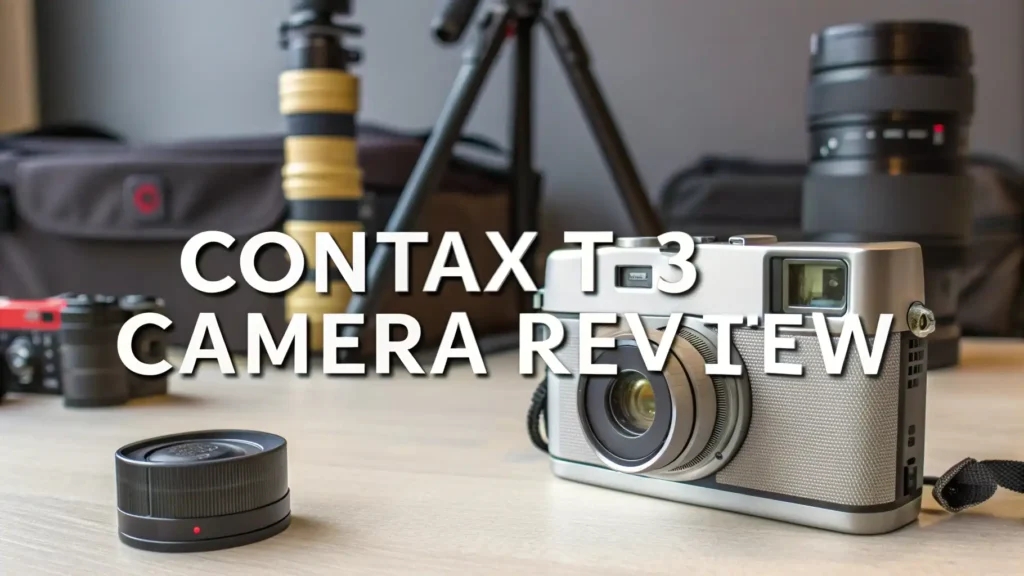
You know that feeling when you hold something truly special? The Contax T3 camera gives you that exact sensation. This compact film camera has become a legend among photographers. Even in 2026, people hunt for this little beast like treasure seekers.
The camera world keeps changing. Digital sensors get better every year. Yet photographers still obsess over the Contax T3. Why does this film camera from the late 1990s matter so much today?
The answer lies in its perfect combination of quality, design, and character. This camera delivers images that modern digital cameras struggle to replicate. The colors pop. The sharpness stuns. The experience feels magical.
Key Takeaways
- The Premium Build: The Contax T3 features titanium construction that feels solid and professional. This camera weighs just enough to feel quality without burdening your bag.
- The Legendary Lens: A Carl Zeiss Sonnar 35mm f/2.8 lens delivers stunning sharpness and beautiful color rendering. This glass remains unmatched in the compact camera world.
- The Smart Features: Automatic exposure modes work brilliantly while manual controls give creative freedom. The camera thinks for you or lets you take charge.
- The Film Character: Images from the T3 carry distinctive tonality and depth that digital cameras cannot fully recreate. The film rendering creates timeless photographs.
- The Investment Value: Despite being vintage equipment, clean T3 cameras hold value remarkably well. Many units appreciate over time as availability decreases.
- The Modern Relevance: In 2026, the T3 offers an antidote to digital perfection. Photographers seek its organic aesthetic and deliberate shooting experience.

Design and Build Quality
The Contax T3 feels special the moment you pick it up. Titanium construction gives the body incredible durability. This camera weighs about 290 grams with battery. The weight distribution feels perfect in your hand. You can carry it all day without fatigue.
The titanium finish resists scratches better than aluminum bodies. Even used examples often look surprisingly clean.
The camera measures 122mm wide, 67mm tall, and 38mm deep. This compact size slips into jacket pockets easily. The sliding lens cover doubles as the power switch. One smooth motion readies the camera for shooting.
Physical controls sit exactly where your fingers expect them. The mode dial clicks precisely between settings. The film advance feels smooth and confident. Every button responds with satisfying tactile feedback. German engineering shows in every detail. The build quality exceeds most modern premium compacts.
The viewfinder provides bright, clear framing. Frame lines remain visible even in dim light. The rangefinder patch offers good contrast for manual focusing. Though many shooters rely on the excellent autofocus system. The LCD panel displays essential information clearly. Battery life extends for many rolls of film.
The Carl Zeiss Sonnar Lens
This lens makes the Contax T3 legendary. The 35mm f/2.8 Carl Zeiss Sonnar delivers optical performance that stuns experienced photographers. Sharpness extends from corner to corner. Even at maximum aperture, images show excellent clarity. Stop down to f/5.6 or f/8 and the results become razor sharp.
Color rendering from this lens creates beautiful, accurate tones. Skin tones look natural and pleasing. Landscapes capture vibrant yet realistic colors. The lens handles high contrast scenes gracefully. Flare resistance proves excellent for a lens this compact. Shooting into the sun produces clean images with minimal ghosting.
The 35mm focal length works perfectly for everyday photography. Wide enough for street scenes and environmental portraits. Tight enough for compelling subject isolation.
This focal length forces you to engage with your surroundings. The f/2.8 maximum aperture handles low light situations well. Indoor shooting remains possible without flash in many conditions.
Bokeh quality surprises given the modest aperture. Background blur looks smooth and pleasant. The seven blade diaphragm creates nice circular highlights.
Close focusing distance of 0.35 meters enables interesting close up work. This lens performs far above its compact size suggests. Many photographers consider it among the finest 35mm lenses ever made.
Autofocus Performance
The Contax T3 features an active infrared autofocus system. This technology works differently than modern phase detection systems. The camera emits infrared light and measures the reflection time. This method functions reliably in low light conditions. Complete darkness poses no problem for focus acquisition.
Focus speed feels adequate for most shooting situations. The system locks focus quickly in good light. Slightly slower in dim conditions but remains usable.
The focus motor operates quietly compared to modern cameras. Street photographers appreciate this discrete operation. The sound barely attracts attention from subjects.
Focus accuracy proves excellent in practice. The camera consistently nails focus on intended subjects. The center weighted focus area covers a reasonable portion of the frame. Recompose after focusing works reliably. Focus lock button allows precise composition control. The system rarely hunts or produces missed focus.
Manual focus override provides creative control when needed. Turn the focus ring to disengage autofocus. The rangefinder patch in the viewfinder aids manual focusing.
Though most shooters find the autofocus completely reliable. This dual capability adds versatility. The focus system remains one of the T3’s strongest features even compared to modern standards.
Exposure System and Metering
The T3 offers program, aperture priority, and manual exposure modes. Program mode handles most situations automatically.
The camera selects appropriate shutter speed and aperture combinations. Results prove consistently well exposed across varied lighting conditions. The metering system reads scenes intelligently.
Aperture priority mode gives control over depth of field. Select your desired aperture and the camera chooses shutter speed. This mode works perfectly for creative shooting. Manual mode provides complete control for advanced techniques. All exposure information displays clearly in the viewfinder.
Center weighted metering evaluates the entire frame while emphasizing the center. This pattern works well for most photography.
The meter handles high contrast scenes reasonably well. Though challenging lighting may require exposure compensation. The compensation dial adjusts in half stop increments up to plus or minus two stops.
Film latitude helps forgive minor metering errors. Negative films especially offer generous exposure flexibility. The T3’s meter proves reliable enough for consistent results.
Flash metering works automatically with the built in flash. External flash compatibility extends creative lighting options. The exposure system delivers professional level control in a compact package.
Top 3 Alternatives for Contax T3


Image Quality and Character
Images from the Contax T3 display stunning clarity and beautiful tonality. The Carl Zeiss lens resolves fine details with authority. Sharpness across the frame impresses even when examining large prints. Color accuracy satisfies professional standards. The camera captures scenes with faithful yet pleasing color reproduction.
Film choice dramatically affects final image character. Portra 400 produces creamy skin tones and pastel colors. Ektar 100 delivers vivid saturation and ultra fine grain. Black and white films render gorgeous tonal gradations. The T3 lens brings out the best qualities in every film stock.
The organic aesthetic of film photography shines through T3 images. Grain structure adds texture and depth. Highlights roll off gracefully without harsh clipping.
Shadow detail preserves information while maintaining contrast. The dimensional quality of film images feels more natural than many digital captures.
Dynamic range proves excellent with quality film stocks. Negative films handle challenging lighting conditions forgivingly.
The combination of the Zeiss lens and good film creates images with substance. Colors possess depth and richness. Tones transition smoothly without banding. These qualities explain why photographers still cherish this camera decades after its release.
Shooting Experience
Using the Contax T3 feels intuitive and enjoyable. The camera responds quickly to controls. Changing settings happens without fumbling through menus. Physical buttons and dials provide direct access to functions. This tactile interface creates a satisfying shooting experience.
The compact size encourages carrying the camera everywhere. Weight remains minimal in bags or pockets. Having the camera ready means catching spontaneous moments. The discrete appearance helps street photographers work unnoticed. Subjects rarely perceive the T3 as professional equipment.
Film photography forces deliberate shooting habits. Each frame costs money and requires processing. This limitation makes photographers think before clicking. Composition and timing receive more attention. The mindful approach often produces better photographs than digital spray and pray.
Waiting for developed film creates anticipation digital shooting lacks. Opening fresh scans reveals surprises and happy accidents.
The delayed gratification makes successful images more rewarding. Shooting film with the T3 reconnects photographers with essential craft elements. The experience teaches valuable lessons about light, exposure, and composition.
Practicality in 2026
Using film cameras in 2026 requires commitment. Film stocks remain available but cost significantly more than years past.
Processing services exist but may require shipping to specialized labs. Scanning adds another step before sharing images digitally. These factors make film photography more expensive and time consuming than digital.
Quality film processing still produces exceptional results. Professional labs deliver scans that rival medium format digital files. The unique aesthetic justifies the extra effort for many photographers. Film images possess qualities that editing cannot fully replicate in digital files.
The Contax T3 remains mechanically simple with few failure points. Electronic components prove reliable when properly maintained. Battery availability poses no problems. Common CR123A lithium batteries power the camera. Replacement batteries cost little and last for many rolls.
Finding repair technicians with T3 expertise grows more challenging. Parts availability decreases as cameras age. Purchasing the cleanest example possible makes sense.
Well maintained cameras continue functioning reliably. The robust construction helps T3 cameras survive decades of use. Many units remain fully operational after 25 plus years.
Market Value and Availability
Contax T3 prices have climbed steadily over recent years. Clean working examples command premium prices in 2026. Expect to invest significantly for cameras in excellent condition. Prices reflect the camera’s legendary status and decreasing availability. The T3 has become a collector’s item as much as a user camera.
Condition dramatically affects value. Cosmetic wear reduces prices moderately. Mechanical issues or optical problems drop values substantially.
Original boxes and accessories increase collectability. Purchase from reputable sellers who guarantee functionality. Return policies provide protection against undisclosed problems.
Several online marketplaces offer used Contax T3 cameras. Specialized camera retailers often stock tested examples. Auction sites require careful evaluation of listings. Local camera shops occasionally receive T3 trade ins. Patience helps find better deals than rushing purchases.
Consider the T3 an investment in photographic tools. The camera holds value well compared to depreciating digital equipment.
Quality examples may appreciate as availability continues declining. Using the camera while it retains value makes financial sense. The shooting experience justifies the cost for serious film photographers.
Comparison with Modern Compact Cameras
Modern digital compacts offer convenience film cameras cannot match. Instant feedback shows exposure and composition immediately.
High ISO performance enables shooting in darkness. Unlimited capacity means never running out of frames. Video recording adds versatility. These advantages make digital cameras practical for many situations.
The Contax T3 provides qualities digital cameras struggle to replicate. Film grain creates organic texture digital noise cannot match.
Color rendering possesses depth and richness. Tonal transitions appear smoother and more natural. The shooting experience feels more engaging and mindful.
Image files from the T3 require scanning but offer surprising resolution. Quality scans from 35mm film rival 24 megapixel digital sensors.
The Zeiss lens resolves detail that exceeds many modern compact lenses. Film’s analog nature captures light differently than digital sensors. This difference creates the distinctive film look photographers seek.
Street Photography Applications
The Contax T3 excels as a street photography tool. Compact dimensions allow discrete shooting in public spaces. The titanium body resists bumps and weather encountered during street work. The reliable autofocus locks quickly on moving subjects. The quiet operation avoids drawing attention from subjects.
The 35mm focal length suits street photography perfectly. Wide enough to capture environmental context. Tight enough to isolate interesting subjects.
This classic focal length forces photographers close to action. Engaging directly with scenes produces more compelling images. The moderate f/2.8 aperture enables available light shooting in urban environments.
Film photography adds mystery to street shooting. Subjects cannot review images immediately on screen. This prevents awkward confrontations about captured photos. The film camera appears less threatening than modern digital equipment.
People relax more when photographed with vintage cameras. This psychological advantage helps street photographers capture natural moments.
Portrait and Travel Photography
The Contax T3 handles portraiture surprisingly well for a compact camera. The 35mm focal length works for environmental portraits showing context. The sharp Zeiss lens renders faces with flattering detail. Skin tones reproduce beautifully on color negative films. The compact size puts portrait subjects at ease compared to large cameras.
The f/2.8 aperture provides modest background blur for subject separation. Full length and half length portraits benefit from this focal length.
Closer headshots require careful composition to avoid distortion. The T3 excels at candid portraits during events and gatherings. Natural expressions come easier when subjects ignore the small camera.
Travel photography benefits from the T3’s portable design. The camera fits easily in day bags or jacket pockets. Carrying weight stays minimal during long walking days. The reliable operation survives varied climates and conditions. Every vacation becomes an opportunity to create beautiful film images.
Battery efficiency means one spare battery covers entire trips. Film choice affects luggage weight more than camera equipment. The simple interface prevents fumbling with settings while exploring.
Maintenance and Care Tips
Keeping your Contax T3 functioning requires basic maintenance habits. Store the camera in dry environments away from extreme temperatures. Humidity damages electronic components and promotes fungus growth. Use silica gel packets in storage cases for moisture control. Clean the exterior gently with soft microfiber cloths.
The sliding lens cover mechanism needs occasional attention. Keep the rails clean and free from debris. Apply tiny amounts of dry lubricant if movement becomes sticky.
Never force the cover if resistance occurs. Check for obstructions before applying pressure. The lens protection system works smoothly when properly maintained.
Battery compartment contacts may corrode over time. Inspect terminals regularly for green or white deposits. Clean contacts with isopropyl alcohol and cotton swabs. Remove batteries during long storage periods. Fresh batteries prevent leakage damage to electronics. Proper battery care extends camera lifespan significantly.
Have the camera professionally serviced every few years. Technicians clean internal components and check electronic functions. Preventive maintenance catches problems before they cause failures.
Find repair shops with specific Contax experience. Generic camera repairs may lack necessary expertise. Investing in professional service protects your valuable camera investment for years.
Frequently Asked Questions
Is the Contax T3 worth buying in 2026?
The Contax T3 remains an excellent camera for serious film photographers. The image quality justifies the premium price. The Carl Zeiss lens delivers stunning results that modern compacts struggle to match. Build quality ensures the camera lasts for decades with proper care. However, the high cost and film photography commitment make it unsuitable for casual shooters. Digital cameras offer more practical solutions for most people.
What film works best with the Contax T3?
The Contax T3 performs beautifully with all film types. Kodak Portra 400 produces gorgeous colors and fine grain for everyday shooting. Kodak Ektar 100 delivers vivid saturation and extreme sharpness in good light. Fuji Pro 400H offers muted tones with excellent dynamic range. Black and white films like Ilford HP5 or Kodak Tri-X create classic monochrome images.
How much does a Contax T3 cost today?
Contax T3 prices vary significantly based on condition and accessories. Clean working examples typically cost between 1200 and 2000 dollars. Cameras in mint condition with original packaging command higher prices. Cosmetically worn but functional units sell for less. Prices continue rising as availability decreases. The camera has become a collector item beyond just a shooting tool.
Can the Contax T3 autofocus system be repaired?
The autofocus system can be serviced by skilled technicians. However, finding repair shops with Contax expertise grows more challenging. Parts availability decreases as cameras age. Simple issues like dirty sensors clean up easily. Complex electronic failures may prove difficult or impossible to fix. Purchase cameras with verified working autofocus systems. Test all functions before completing transactions.
Does the Contax T3 have manual focus capability?
Yes, the Contax T3 allows manual focus override. Turn the focus ring to disengage autofocus and focus manually. The viewfinder includes a rangefinder patch for manual focusing assistance. This feature provides creative control when autofocus proves inadequate. Zone focusing becomes possible for street photography techniques. The manual focus mechanism feels smooth and precise.
What makes the Carl Zeiss Sonnar lens special?
The Carl Zeiss Sonnar lens represents optical engineering excellence. German glass quality produces exceptional sharpness and contrast. Color rendering creates beautiful, accurate tones across the spectrum. The compact design packages professional performance in minimal space. Flare resistance exceeds expectations for such a small lens. Distortion remains minimal with straight lines staying true. The 35mm focal length provides versatile everyday coverage.
Should beginners start with the Contax T3?
Beginners should probably choose less expensive cameras initially. The T3 costs too much for learning basic film photography. Mistakes and experimentation come naturally when starting photography. Risking an expensive camera during the learning phase creates unnecessary stress. More affordable cameras like the Olympus Mju series teach film fundamentals equally well. Master film photography basics before investing in premium equipment.
How does the Contax T3 compare to the Contax T2?
The T3 improves upon the T2 in several ways. Autofocus speed increases noticeably in the newer model. The titanium body provides better durability than the T2 aluminum construction. Ergonomics feel slightly more refined in daily use. Image quality remains comparable between both models. The Carl Zeiss lenses perform similarly. The T2 costs slightly less in current markets.


