
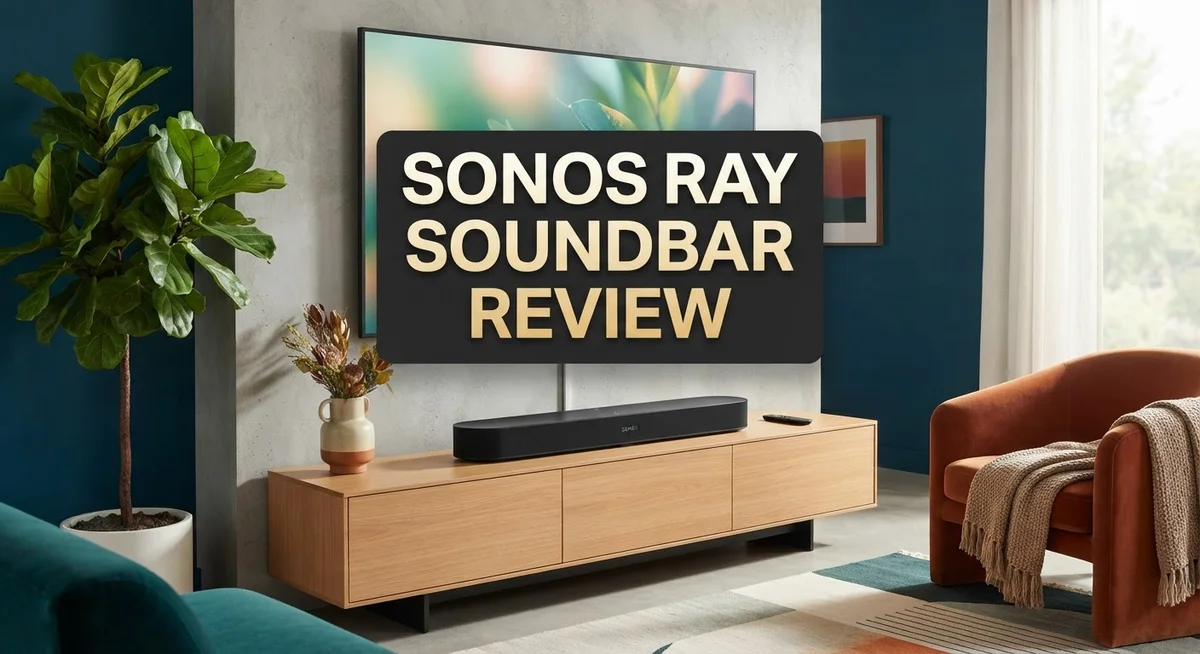
Sonos Ray Soundbar Review 2026: Features, Performance, and Setup Guide
Do you want better sound for your TV? The Sonos Ray soundbar might be your answer. This compact speaker packs a punch for small and medium rooms.
Many people struggle with weak TV speakers. Dialogue sounds muffled. Movies lose their punch. The Sonos Ray fixes this problem with clear, crisp audio.
Setup is simple too. You connect one cable to your TV. That’s it. No complicated wiring or confusing instructions.
In a Nutshell
- Compact design fits perfectly with TVs up to 48 inches. It works great in small or medium rooms.
- The soundbar connects through an optical cable, WiFi, and Apple AirPlay 2. You get flexible options for streaming and connecting devices.
- Touch controls sit right on top of the unit. It also syncs with your TV remote for easy control.
- You can expand your system later. Add multi-room speakers or surround speakers to build a bigger home theater setup.
- Dialogue stays clear and sharp. You can also customize the EQ settings to match your taste.
- Some users report setup difficulties. The process is mostly simple, but a few people hit snags along the way.
- The Digital Signal Processing (DSP) is limited compared to higher end models. This soundbar works best in smaller spaces, not large rooms.
Key Features and Specifications
The Sonos Ray soundbar packs impressive audio technology into a slim, compact frame. This unit measures just 27.6 inches wide, making it perfect for living rooms with modest screen sizes. The soundbar delivers multi-channel audio processing from a single, sleek speaker bar.
Connectivity options give you flexibility in how you connect. The optical digital input works with most modern TVs. WiFi connectivity lets you stream music from your phone or tablet. Apple AirPlay 2 support means iPhone and iPad users can send audio directly to the soundbar without extra apps.
The soundbar features touch-sensitive controls built into the top panel. You can adjust volume, pause playback, or activate voice assistants with simple finger taps. TV remote synchronization means you can control the soundbar using your existing remote, eliminating the need for multiple controllers on your coffee table.
Trueplay tuning technology automatically analyzes your room’s acoustics. The system measures sound reflections off walls and furniture. It then adjusts frequencies to match your specific space. This means the soundbar sounds better in your home than in someone else’s, even though it’s the same hardware.
The Ray supports Dolby Digital 5.1 surround sound and DTS audio formats. These standards deliver more immersive audio than standard stereo. Voice actors in movies and TV shows come through crystal clear, making dialogue your priority.
Expandability is a key strength here. You can add Sonos surround speakers later to create a full home theater setup. You can also pair the Ray with a Sonos subwoofer for deeper bass. Start simple and grow your system as your needs change.
The single cable setup minimizes clutter behind your TV. You only need the optical connection for audio and power. No messy wire bundles or complex installations required. This straightforward approach appeals to users who want simplicity without sacrificing sound quality.

- Experience clearer, more powerful sound than ever before possible by a small standalone soundbar.
- Dynamic sound that enhances the drama and creates a surprisingly wide soundstage.

Last update on 2026-09-16 / Affiliate links / Images from Amazon Product Advertising API Some of the links on this website are affiliate links, which means that at no additional cost to you, I earn a commission if you click through and make a purchase. I only recommend products and services that I believe will add value to my readers. Thank you for your support!
Design and Build Quality
The Sonos Ray features a slim, minimalist design that blends seamlessly into modern entertainment setups. The soundbar measures just 23.6 inches wide, making it ideal for smaller TV stands and wall-mounted displays. Its matte black finish resists fingerprints and dust, keeping the unit looking clean over time.
The build quality feels solid despite the compact form factor. Sonos uses durable materials throughout the enclosure that can withstand daily use. The top surface includes touch-sensitive controls for volume adjustment and playback. These responsive buttons let you manage audio without reaching for a remote.
The soundbar’s construction prioritizes simplicity. A single optical cable connects to your TV, eliminating cable clutter behind your entertainment center. This one cable approach makes installation straightforward for most users. The rear panel includes standard connectivity ports that align neatly against walls.
Weight distribution is balanced, so the Ray sits stable on shelves or TV stands. You won’t experience tipping or shifting when adjusting controls. The unit’s low profile ensures it won’t block your TV screen or obstruct sensor signals from remotes.
Sonos designed the Ray to integrate with their ecosystem. The soundbar accepts wall mounting brackets sold separately, giving you flexible placement options. This adaptability means you can position it however works best for your space.
The overall aesthetic maintains Sonos’s clean, understated approach. There are no unnecessary design elements or flashy finishes. The Ray focuses on function rather than visual appeal, which suits living rooms and bedrooms alike.
Durability appears solid for regular use. The materials resist warping and maintain their appearance after extended periods. However, the compact design does mean less internal space for larger drivers and components compared to bigger soundbars.
The construction reflects Sonos’s commitment to reliability. You get a well-built device that should perform consistently for years. The straightforward design also makes troubleshooting easier if issues ever arise, though most users report trouble-free operation right out of the box.
Sound Performance and Audio Quality
The Sonos Ray delivers impressive audio performance for a compact soundbar. You get clear, punchy sound that works well in small to medium rooms. The dialogue reproduction stands out as a major strength. Voices come through crisp and easy to understand, even during complex movie scenes.
The soundbar handles both Dolby Digital 5.1 and DTS surround formats. This means you can enjoy a wider range of content without compatibility issues. The audio quality remains consistent across different streaming services and broadcast sources.
Bass response on the Ray feels balanced and controlled. You won’t get room-shaking low end, but that’s not what this soundbar aims for. The compact design naturally limits bass output, yet the Ray manages to deliver depth without distortion. Mid and high frequencies shine through with good separation.
The Trueplay tuning feature makes a real difference in how your room sounds. This technology measures your space’s acoustic properties and adjusts the sound accordingly. You’ll notice improved clarity and a more natural soundstage after running Trueplay. The customizable EQ settings let you fine tune the audio to your preferences.
One limitation worth noting is the limited digital signal processing. The Ray won’t deliver the same advanced audio processing you’d find in pricier models. However, for everyday listening, this doesn’t create noticeable problems. Most people won’t miss features they don’t use regularly.
The soundbar excels at handling dialogue heavy content like news, talk shows, and dramas. Movies with strong sound design benefit from the Ray’s clean audio reproduction. Streaming content sounds good, though the Ray works best when paired with compatible Sonos speakers for surround sound.
You can expand the system later by adding rear speakers or a subwoofer. This flexibility means you’re not locked into a limited setup. The Ray serves as a solid foundation for building a complete home theater experience. Sound quality remains consistent whether you’re using it standalone or as part of a larger system.
Top 3 Alternatives
Samsung HW-Q60C

- Q-SYMPHONY: Amp up your audio with the greatest duo of all time—Samsung TVs paired with Samsung soundbars; With Q-Symphony, your TV speakers paired with Q-Series soundbars operate as one*
- 3.1 CH DOLBY ATMOS SOUND: When you make the jump to three channels, your audio comes alive; Experience captivating sound and hear more during your favorite shows, songs, and movies with 3.1ch Dolby Atmos sound
Last update on 2026-09-16 / Affiliate links / Images from Amazon Product Advertising API Some of the links on this website are affiliate links, which means that at no additional cost to you, I earn a commission if you click through and make a purchase. I only recommend products and services that I believe will add value to my readers. Thank you for your support!
The Samsung HW-Q60C delivers solid audio performance for living rooms of various sizes. This soundbar includes a wireless subwoofer that adds depth to movies and music. You get multiple connectivity options including Wi-Fi, Bluetooth, and HDMI eARC. The device supports object tracking sound, which means audio follows action on your screen. Setup takes just minutes, and the remote control feels intuitive. Samsung’s Q-Symphony feature lets you sync the soundbar with compatible TVs for a unified sound experience.
LG SN6PY

- New AKB75595331 Replacement Remote Control Applicable for LG Sound Bar SL6Y SPL5B-W SN6Y SPN5B-W SL4 SPH4B-W SL5Y SN7CY SNC4R SPH4B-W SPJ4-S S65S3-S SL4Y SL7Y SLM4R SN6 SPN5BM-W SN4A
- No programming or paring is needed. Just insert new batteries to get it work.
Last update on 2026-10-03 / Affiliate links / Images from Amazon Product Advertising API Some of the links on this website are affiliate links, which means that at no additional cost to you, I earn a commission if you click through and make a purchase. I only recommend products and services that I believe will add value to my readers. Thank you for your support!
The LG SN6PY offers a compact design that fits easily on most TV stands. This soundbar produces clear dialogue and balanced sound across different content types. It includes a wireless subwoofer for enhanced bass response. Connectivity is straightforward with Bluetooth and HDMI options available. The soundbar supports common audio formats and works well with LG televisions through HDMI eARC. You’ll appreciate the simple button layout on the remote. This model handles both streaming services and cable TV content effectively.
Bose Smart Soundbar

- TOTAL IMMERSION, FOR EVERYTHING YOU PLAY: The Bose Dolby Atmos Soundbar features shockingly immersive sound for its size and utilizes proprietary TrueSpace technology so you can feel everything you watch like you're in the theater
- ONLY TRUESPACE ELEVATES IT ALL: Bose TrueSpace technology intelligently analyzes signals other than Dolby Atmos, like stereo or 5.1, and upmixes them to create an immersive multi-channel sound experience
Last update on 2026-08-28 / Affiliate links / Images from Amazon Product Advertising API Some of the links on this website are affiliate links, which means that at no additional cost to you, I earn a commission if you click through and make a purchase. I only recommend products and services that I believe will add value to my readers. Thank you for your support!
The Bose Smart Soundbar brings premium audio engineering to your entertainment space. This soundbar features advanced sound processing that creates an immersive listening experience. You get built-in voice assistant compatibility for hands-free control. The design feels premium and matches modern home aesthetics. Connectivity includes Bluetooth, Wi-Fi, and HDMI options. The soundbar adapts to your room’s acoustics automatically. It works seamlessly with various streaming platforms and TV inputs. Bose’s reputation for audio quality shows in the clear, detailed sound reproduction across all frequency ranges.
Setup and Connectivity
Getting the Sonos Ray connected to your TV takes just minutes. The soundbar uses a single optical cable that plugs directly into your television’s audio output. This straightforward approach keeps cable clutter minimal behind your entertainment setup.
WiFi connectivity opens up additional features once you complete the initial setup. The Ray joins your home network seamlessly through the Sonos app. You can then access multi-room audio capabilities and stream content from various services across your home.
Apple AirPlay 2 support lets you send audio directly from your iPhone, iPad, or Mac to the soundbar. This wireless option works great for playing music or podcasts without touching your TV remote. The connection stays stable and responsive during regular use.
The touch controls on top of the soundbar give you quick access to volume and playback functions. You can also sync your existing TV remote to operate the Ray’s basic controls. This dual control method means you have options based on what feels most convenient.
Trueplay tuning automatically calibrates the soundbar to match your room’s unique acoustics. The feature uses your smartphone’s microphone to analyze sound reflections and adjust frequencies accordingly. This process takes just a few minutes and makes a noticeable difference in audio clarity.
Setting up the Sonos app on your phone completes the connectivity experience. The app guides you through each step with clear instructions and visual prompts. Most users finish the entire process within 10 to 15 minutes from unboxing.
The Ray connects to your existing Sonos speakers if you already own any. This expandability means you can add rear speakers or a subwoofer later without any compatibility concerns. Your system grows with your needs while maintaining simple, unified controls through the same app.
One thing to note: some users report occasional connection hiccups during initial setup, though these typically resolve with a restart. Once connected, the soundbar maintains stable performance across WiFi and optical inputs.
Expandability and Multi-Room Integration
The Sonos Ray shines when it comes to growing your audio setup. You can add rear speakers later to create a surround sound experience. A subwoofer pairs easily with the Ray for deeper bass. This flexibility means you start simple and expand whenever you want.
Multi room integration works seamlessly with Sonos. If you already own other Sonos speakers, the Ray connects instantly to your existing network. You control all speakers from one app. Play different music in different rooms. Switch between rooms with a single tap. The system learns your preferences and makes adjustments automatically.
The Sonos app serves as your command center for everything. You manage volume across all connected devices from your phone or tablet. Create zones that play the same music together. Mute individual rooms without affecting others. The interface stays intuitive even as your system grows.
Apple AirPlay 2 opens additional possibilities for multi room use. Send audio from your iPhone directly to the Ray. Stream from your Mac to multiple rooms at once. This works alongside the Sonos app, giving you options.
WiFi connectivity ensures the Ray stays connected to your network. The soundbar communicates with other Sonos products through your home WiFi. This means no additional cables or complicated setup steps. Your entire system talks to each other without extra hardware.
One practical benefit: the Ray’s compact size means you can place it in different rooms if needed. Some users keep one unit and move it between spaces. Others add multiple units for permanent multi room coverage. Both approaches work depending on your lifestyle.
The single cable connection to your TV keeps the setup clean. You add speakers and subwoofers wirelessly. No tangled cables behind your entertainment center. The system expands without creating visual clutter or technical headaches.
Pros and Cons
Pros
- Delivers impressive sound quality with clear dialogue and balanced bass response
- Single cable setup makes installation quick and hassle free
- Trueplay tuning automatically adjusts audio to match your room’s acoustics
- Expandable system lets you add rear speakers or a subwoofer later
- Works seamlessly with Apple AirPlay 2 and existing Sonos speakers
Cons
- Limited digital signal processing compared to higher end soundbars
- Best suited for small to medium rooms with 48 inch TVs or smaller
- Some users report occasional connection issues during initial setup
Who Should Buy It
The Sonos Ray works best for people who want a simple audio upgrade without complexity. You should consider it if your TV is 48 inches or smaller. Larger screens may need a more powerful soundbar to fill bigger rooms properly.
This soundbar suits apartment dwellers and people with compact living spaces. The compact design fits on shelves or TV stands without taking up much room. If you live in a small bedroom, office, or dorm, the Ray delivers solid performance.
Are you new to home audio? The Ray is perfect for first time soundbar buyers. The single cable setup means you skip the tangled wires and confusing connections. You’ll have sound in minutes, not hours. The touch controls keep things straightforward. No complicated menus or endless settings to learn.
Existing Sonos owners should definitely look at the Ray. It connects instantly to your current speakers and system. You can expand your setup room by room without starting over. The Sonos app controls everything from one place.
People who stream music frequently will appreciate the WiFi and Apple AirPlay 2 support. You can send audio directly from your phone or tablet. This opens up flexibility for different listening scenarios throughout your day.
The Ray makes sense if you prioritize clear dialogue and balanced sound. Movies and TV shows sound crisp and easy to understand. You won’t struggle to hear what characters are saying anymore.
Skip the Ray if you have a large living room or entertainment space. You need something with more power and processing muscle. Similarly, serious gamers who want immersive surround sound should explore other options.
Budget conscious shoppers appreciate what the Ray brings to the table. You get quality audio without unnecessary features you won’t use. The straightforward approach means no paying for extras you don’t need.
The Ray is not for people who want advanced audio controls or deep customization. If you love tweaking EQ settings and sound profiles, higher end models offer more control. The Ray keeps things simple by design.
Final Verdict
The Sonos Ray earns its place as a smart choice for anyone upgrading their TV audio. It delivers clean sound without overwhelming you with features you won’t use.
Think of the Ray as a gateway soundbar. It opens the door to better audio now and lets you build a bigger system later if you want one.
This product works well for its intended purpose. It handles everyday TV watching, casual music listening, and basic surround sound needs with ease.
The build quality feels solid. Sonos designed this soundbar to last, and the touch controls feel responsive rather than gimmicky.
Dialogue clarity stands out as a real strength. You won’t struggle to hear conversations in shows or movies, even during quieter scenes.
That said, the Ray has clear boundaries. It won’t replace a full home theater system, and it struggles with the kind of immersive bass that action movies sometimes demand.
If you need powerful low end sound or plan to watch films in a large den, look elsewhere. The Ray simply wasn’t built for that scale.
For most households though, this soundbar hits a sweet spot. It solves the common problem of weak TV speakers without adding complexity to your setup.
We recommend the Ray for:
– Bedroom or office TV setups
– Secondary rooms in the house
– Anyone who values simplicity over endless settings
Overall, the Sonos Ray proves that good sound doesn’t require complicated gear. It respects your time and your space.
The soundbar earns its spot among solid entry level options. It gives you dependable performance without asking much in return.
If clear dialogue and simple setup matter to you, the Ray deserves serious consideration. It covers the basics well and leaves room to grow your system down the line.
In short, the Sonos Ray is a dependable, no fuss soundbar. It fits smaller spaces, works right out of the box, and sounds better than most TV speakers could ever manage alone.
Frequently Asked Questions
Can I use the Sonos Ray with my existing soundbar setup?
The Ray works as a standalone unit or integrates into your current Sonos system. If you already own Sonos speakers, the Ray connects wirelessly through your home WiFi. You can group them together for multi room audio or add the Ray to your living room while keeping other speakers in different spaces.
However, the Ray cannot replace another soundbar. It pairs with Sonos subwoofers and rear speakers to expand your setup over time.
Does the Sonos Ray work with non Sonos devices?
Yes. The Ray connects to your TV via optical cable, which works with virtually any television model. You can also stream music to it using Apple AirPlay 2, Spotify Connect, or other apps that support WiFi audio.
The optical connection means your TV remote can control basic functions like volume. This setup works regardless of your TV brand or age.
What size TV should I have for the Sonos Ray?
The Ray performs best with TVs up to 48 inches. Larger screens typically need more powerful audio to fill bigger rooms effectively. The soundbar’s compact dimensions also match smaller viewing spaces naturally.
If your TV is significantly larger or your room is spacious, consider whether the Ray’s output matches your space’s acoustics.
How does Trueplay tuning actually work?
Trueplay uses your iPhone or iPad microphone to measure how sound bounces around your specific room. The soundbar then adjusts its audio output automatically to match your walls, furniture, and layout.
This process takes a few minutes and happens once during setup. Your room’s unique characteristics get factored into every song and movie you watch afterward.

Hello, I’m Juniper Harkness, a tech enthusiast and the creator of TechReviewz.blog, where I dive deep into the latest technology products available on Amazon.


