How To Fix Screen Crease Cracking On Foldable Smartphones?
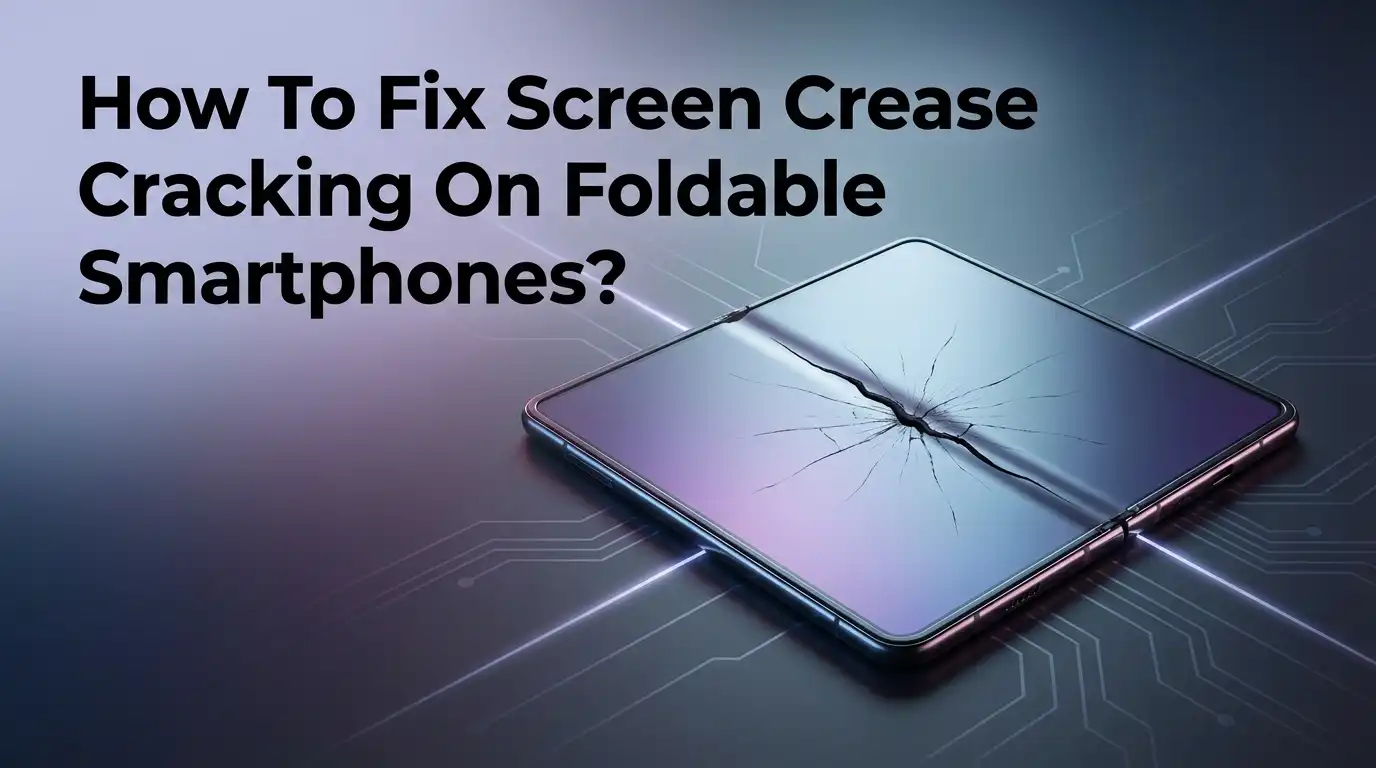
Foldable phones feel like magic. You fold them shut, drop them in your pocket, and open them into a big beautiful screen. But that magic comes with one weak spot. The crease. Over time, that fold line can start to crack, bubble, or lift. And when it does, panic sets in fast.
Here is the good news. Most crease cracking is fixable. Many times, the problem is not even the display itself. It is the screen protector on top of it. That means you can often solve the issue at home for very little money.
In this guide, you will learn why the crease cracks, how to tell a real crack from a harmless line, and exactly what to do next. Let us walk through every fix, step by step, so you can protect your phone and your wallet.
In A Nutshell:
- The crease itself is normal, but cracking is not. A visible fold line is part of the design. Black lines, bubbling, or lifting layers signal a real problem you must act on.
- Most “cracks” are the screen protector, not the glass. The built in film often peels or cracks along the fold first. Replacing it usually costs very little and fixes the look completely.
- Never peel the factory film yourself without a plan. The protector shields the ultra thin glass below it. Removing it wrong can scratch or shatter the real display underneath.
- Prevention beats repair every single time. Clean hinges, gentle handling, no heat, and a good case stop most crease damage before it starts.
- Real glass cracks need a professional. If the OLED panel is truly broken, home fixes will not help. You need warranty service or a certified repair shop.
- Warranty and care plans can save you hundreds. A crease crack repair can cost a lot out of pocket. Check your coverage before you pay anything.
Why The Screen Crease Cracks On Foldable Phones
Foldable phones use a flexible OLED display covered by an ultra thin glass layer and a plastic film on top. This stack bends thousands of times over the phone’s life. The center fold line takes all that stress in one narrow spot.
Repeated bending weakens that exact area over time. Tiny scratches turn into micro cracks. Then folding pressure spreads those cracks wider. Dust trapped in the hinge makes it worse by creating pressure points when the phone closes.
Heat also plays a big role. High temperatures soften the layered materials and glue. The crease is simply the point where all this strain meets. That is why cracks almost always start along the fold and not somewhere random on the screen.
How To Tell A Normal Crease From Real Cracking
Before you fix anything, you must know what you are looking at. Many owners panic over a crease that is completely fine. Others ignore real damage until it spreads.
Normal crease signs include a visible fold line under bright light, a slight dip in the middle, and a small texture change when you swipe across it. These are expected and harmless.
Warning signs of real cracking are very different. Look for black lines across the display, dead pixels near the fold, bubbling under the top film, cracking noises when you unfold, or layers lifting apart. If you see any of these, act quickly. A small problem near the crease can spread across the whole panel if you keep folding on it every day.
Step One: Inspect The Screen Protector First
Here is the most important tip in this whole guide. The factory screen protector cracks long before the real glass does. Foldable phones ship with a plastic film already installed on the inner screen. That film takes the first hit.
Run your fingernail gently along the crease. If you feel a raised edge, a bubble, or a flap lifting, that is the protector, not the display. This is great news. It means a cheap film swap will likely fix your problem.
Shine a flashlight across the screen at an angle. A cracked protector shows a clear line sitting above the display. A cracked panel shows damage inside the glass with dead or discolored pixels. Confirming this first saves you from an expensive and unnecessary repair.
Pros: Free to check, takes two minutes, and often solves the whole worry.
Cons: Not always easy to tell apart, so look carefully in good light.
Step Two: Replace The Inner Screen Protector
If the protector is the problem, replacing it is the easiest fix. Foldable makers know their film wears out, so replacement is built into the plan. Many brands offer one free protector swap and cheap swaps after that at authorized shops.
You have two choices. Let a certified shop do it, or do it yourself with a foldable safe film. Do not use standard tempered glass. It cannot bend and will crack the display at the fold. Only flexible film made for that exact model is safe.
To do it yourself, peel the old film slowly and evenly from a corner. Clean the screen with the included wipe, then line up the new film carefully before pressing it down. Push out bubbles from the center toward the edges.
Pros: Very low cost, quick, and restores the smooth look.
Cons: Tricky alignment, and a bad application traps dust or bubbles.
Step Three: Decide Between Professional Or DIY Replacement
Choosing who does the swap matters a lot. A professional swap removes the risk of scratching the fragile glass below. Authorized service often charges a small flat fee, and they use the correct genuine film every time.
Doing it yourself saves money and time. You avoid mailing your phone away or waiting in line. But the inner glass is delicate. One wrong tool or too much pressure can turn a cheap fix into a costly disaster.
Think about your comfort level with careful hand work. If your hands shake or you feel unsure, pay the small fee and let a pro handle it. The peace of mind is worth it for such a fragile part.
Pros of DIY: Cheapest option, fast, and done on your schedule.
Cons of DIY: Higher risk of damage, and mistakes can void some coverage.
What To Do When The Actual Display Glass Cracks
Sometimes the damage goes deeper than the film. A cracked OLED panel is a hardware problem, and no home fix can repair it. You will see broken pixels, spreading dark patches, or a screen that flickers and glitches.
Stop folding the phone right away. Every open and close spreads the crack further. Keep the phone flat and open if possible until you get help.
Your only real options are warranty service or a certified repair shop. Never try to open the display or apply glue yourself. Foldable panels are sealed units with tiny connectors. Home repair almost always makes the damage permanent and can even cause the battery to fail.
Pros of pro repair: Restores full function and uses genuine parts.
Cons of pro repair: Can be expensive without coverage, and takes several days.
How To Use Warranty And Care Plans To Save Money
Repair costs for a cracked foldable panel can climb into the hundreds. This is exactly why care plans exist, and using yours can save a huge amount. Check your coverage before you spend a single dollar.
Read the terms carefully. Standard warranties usually cover manufacturing faults, not accidental drops. If your crease cracked on its own during normal use, you may have a strong warranty claim. Document it with photos and the date you noticed it.
Extended care plans often cover accidental screen damage for a smaller service fee. Call support, explain the crease crack clearly, and ask what your plan covers. Keep your receipt and any service records. A well documented claim gives you the best chance of a free or cheap repair.
Pros: Massive savings and genuine repairs.
Cons: Deductibles apply, and some claims get denied for user damage.
Clean The Hinge To Stop Crease Damage Spreading
Dust and grit are silent killers for foldable screens. Tiny particles trapped near the hinge create pressure points that press into the crease every time you close the phone. Over months, this grinds down the display layers.
Cleaning the hinge is simple and safe. Use a soft dry brush or a can of compressed air held a short distance away. Sweep along the hinge gap to lift out lint, sand, and pocket fuzz.
Do this once a week if you carry your phone in pockets or bags. Never poke the hinge with metal, pins, or sharp tools. They scratch the display and damage the folding mechanism. Gentle, regular cleaning keeps pressure points from ever forming.
Pros: Free, fast, and prevents long term damage.
Cons: Must be done gently, since rough cleaning causes its own harm.
Adjust Your Handling Habits To Protect The Fold
The way you use your phone every day shapes how long the screen lasts. Small habit changes make a big difference to crease health. Most cracks come from daily stress, not one big accident.
Stop pressing hard on the fold line. Do not tap the crease with your fingernail or a pen. Do not sit with the phone in a tight back pocket. Both add bending force right where the screen is weakest.
Always close the phone fully before storing it. A partly open phone in a bag can catch pressure and crack at the hinge. Open and close it smoothly, without snapping it hard. Treat the fold with a light touch, and the display will reward you with years of clean use.
Pros: Costs nothing and hugely lowers crack risk.
Cons: Takes conscious effort until the habits feel natural.
Manage Heat To Prevent Crease Weakness
Heat is one of the most overlooked threats to a foldable screen. The layered display and its adhesive soften when they get too hot, which makes the crease far easier to crack. Foldables have more heat sensitive parts than regular phones.
Keep your phone out of hot cars and direct sunlight. Never leave it on a dashboard or windowsill. These spots heat up fast and stress the display glue at the fold.
Avoid heavy gaming while charging, since that combo pumps out a lot of heat. Let the phone cool naturally, and never use a hair dryer or heat gun to fix bubbles. Direct heat warps the layers and can cause permanent separation right along the crease.
Pros: Simple awareness that adds real protection.
Cons: Hard to control in very hot climates without extra care.
Use A Proper Case With Hinge Protection
A good case acts like insurance for your fold. The right case absorbs the impact that would otherwise crack the screen at the crease. It also blocks dust and cushions drops.
Look for a case with raised edges and hinge support. Raised lips keep the screen off flat surfaces. Hinge protection guards the fold from sideways pressure in pockets and bags. A hybrid shell with soft inner padding spreads out any shock.
Make sure the case fits your exact model with tight tolerances. A poorly fitted case that presses on the screen or hinge adds stress instead of removing it. Avoid bulky cheap cases that pinch the fold. The goal is protection without pressure on the delicate crease area.
Pros: Turns many hard cracks into harmless scuffs.
Cons: Adds bulk, and a bad fit can create new problems.
When To Stop DIY And See A Professional
Knowing your limit protects your phone from bigger harm. Some crease problems are simply beyond a home fix, and pushing forward makes them worse. Recognizing this early saves you money and heartbreak.
See a professional right away if you notice black lines, spreading dead pixels, screen flicker, layers separating, or any liquid or discoloration under the glass. These point to real panel failure, not a simple film issue.
Also stop if a protector swap goes wrong and you see fresh scratches on the glass. A certified technician has the tools, clean environment, and genuine parts to fix what you cannot. There is no shame in handing it over. Foldable screens are among the most delicate parts in modern phones.
Pros: Prevents permanent damage and restores full function.
Cons: Costs more and means time without your phone.
Frequently Asked Questions
Can I fix a cracked foldable screen crease at home?
You can fix it at home only if the crack is in the screen protector, not the display glass. Swapping the film is a safe, cheap home fix. A cracked OLED panel, however, needs a professional. Home repair on the actual glass almost always makes the damage worse.
Is the crease on my foldable phone a defect?
No. A visible crease is a normal part of foldable design. All current foldables have one. It only becomes a concern when you see cracking, black lines, bubbling, or lifting layers. Those signs mean real damage that needs attention.
How much does it cost to fix crease cracking?
It depends on the cause. A screen protector swap is usually very cheap or even free under a first time replacement offer. A full display panel repair costs much more, often hundreds, unless a warranty or care plan covers it.
Will keeping my phone open reduce crease cracking?
There is no clear evidence that leaving it open reduces the crease or prevents cracks. The phone is built to fold, so use it normally. Focus instead on gentle handling, clean hinges, and heat control to protect the fold.
Can a screen protector really cause the crease to look cracked?
Yes, very often. The factory film cracks and peels along the fold long before the real glass does. Many owners think their display is broken when it is only the protector. Always check the film first before you worry.
How do I stop the crease from cracking in the future?
Handle the phone gently, keep the hinge clean, avoid heat, and use a well fitted case with hinge protection. Never press hard on the fold or store the phone half open. These simple habits prevent most crease cracking over the long term.

Hello, I’m Juniper Harkness, a tech enthusiast and the creator of TechReviewz.blog, where I dive deep into the latest technology products available on Amazon.